SERVING
Those That
SERVED
PTSD
Post traumatic stress disorder, also known as PTSD, is among only a few mental disorders that are triggered by a disturbing outside event, unlike other psychiatric disorders such as depression.
Type II Diabetes
Type 2 diabetes, once known as adult-onset or noninsulin-dependent diabetes, is a chronic condition that affects the way your body metabolizes sugar (glucose), your body's main source of fuel.
Tinnitus
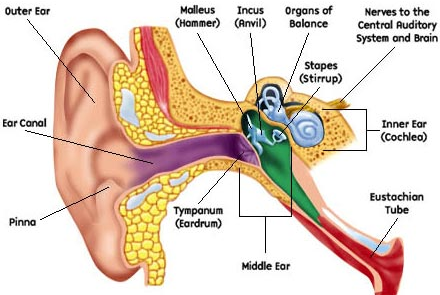
Tinnitus, is a ringing, swishing, buzzing, or other type of noise that seems to originate in the ear or head. The sound may seem to come from one ear or both, from inside the head, or from a distance.


Presumptive Disabilities

1. Tinnitus
2. Hearing Loss
3. Limitation of Flexion of the Knee
4. Post Traumatic Stress Disorder (PTSD)
5. Lumbosacral or Cervical Strain
6. Scars, General
7. Paralysis of the Sciatic Nerve (Sciatica)
8. Limitation of Range of Motion of the Ankle
9. Migraines (Headaches)
10. Limitation of Motion of the Arm
11. Degenerative Arthritis of the Spine
12. Sleep Apnea
13. Traumatic Brain Injury (TBI)
14. Major Depressive Disorder
15. Asthma
16. Diabetes Type 2
17. Cancer
18. Generalized Anxiety Disorder
19. Pes Planus (Flat Feet)
20. Radiculopathy
21. Adjustment Disorder
22. Somatic Symptom Disorder (Chronic Pain Syndrome)
23. Gastroesophageal Reflex Disease (GERD)
24. Irritable Bowel Syndrome (IBS)
25. Erectile Dysfunction
2023 Top 50 Veteran Disabilities
26. Plantar Fasciitis
27. Arthritis
28. Hypertension (High Blood Pressure)
29. Degenerative Disc Disease (DDD)
30. Carpal Tunnel Syndrome (CTS)
31. Chronic Fatigue Syndrome (CFS)
32. Fibromyalgia
33. Eczema
34. Allergic Rhinitis (Hay Fever)
35. Sinusitis
36. Meniere’s Syndrome
37. Arteriosclerotic Heart Disease (Coronary Artery Disease)
38. Chronic Conjunctivitis
39. Limited Motion of the Jaw (Temporomandibular Disorder)
40. Hiatal Hernia
41. Hemorrhoids
42. Varicose Veins
43. Nephrolithiasis (Kidney Stones)
44. Hypothyroidism
45. Anemia
46. Peripheral Neuropathy
47. Prostate Gland Injuries
48. Ischemic Heart Disease (IHD)
49. Vertigo
50. Urinary Incontinence
The Contents In Your C-File
A VA C-file (Claims File) is the Department of Veterans Affairs’ (VA) official record of a veteran’s claims and benefits history. It can contain medical, service, administrative, and legal evidence used to decide VA claims.
Common contents of a VA C-file include the following:
-Service records
-DD Form 214 and separation documents
-Service treatment records
-Personnel records
-Military occupational specialty, assignments, awards, and disciplinary records
-Deployment or combat-related documentation
-VA medical records
-VA hospital and clinic treatment records
-Diagnoses and treatment notes
-Imaging and laboratory results
-Mental health records
-Medication history
-Sometimes records obtained from private providers
-Disability claims and decisions
-Applications for compensation or pension
-Statements from the veteran
-VA rating decisions
-Code sheets
-Supplemental claims, Higher-Level Reviews, and Board appeals
-Notices of disagreement and other appeal documents
-Reasons and bases for VA decisions
-VA examinations and medical opinions
-C&P examination reports
-DBQs
-Medical nexus opinions
-Independent medical opinions obtained for a claim
-Examination requests and related communications
-Evidence submitted by the veteran or others
-Private medical records
-Medical opinions
-Buddy/lay statements
-Employment records
-Personal statements
-Photographs and other supporting evidence
-VA correspondence and administrative records
-VCAA/duty-to-assist letters
-Development letters
-Requests for records
-Award letters
-Dependency information
-Education, pension, or other benefit-related documents when relevant
-Appeal records
-Statements of the Case (SOC)
-Supplemental Statements of the Case (SSOC)
-Board of Veterans' Appeals decisions
-Court-related documents if the claim reached the U.S. Court of Appeals for Veterans Claims
-Evidence submitted during appeals
What the C-file does not necessarily contain
A C-file isn't automatically a complete copy of everything VA has ever had about you. For example, some current VA healthcare information may reside in separate electronic medical-record systems, and some records may be maintained by other federal agencies.
Also, C-file contents vary considerably. A veteran with a single straightforward claim might have a relatively small file; someone with decades of claims and appeals can have thousands of pages.
One particularly useful point
If you're trying to understand why VA granted, denied, or rated a particular disability, the most important parts of the C-file are often the rating decisions, C&P examinations/medical opinions, service records, submitted medical evidence, and the evidence VA specifically relied upon or found insufficient.
Top Conditions That Commonly Receive the Highest VA Ratings
Post-Traumatic Stress Disorder (PTSD)
Common ratings: 50%, 70%, & 100%
Why they rate high:
Mental health conditions such as PTSD are rated based on functional impairment, not the diagnosis, so symptoms like inability to work, social isolation, panic attacks, or severe cognitive issues can reach 50%, 70% or 100%.
Other High-rating conditions:
- Major depressive disorder
- Anxiety disorder
- Schizoaffective disorder
- Bipolar disorder
Note: All mental health conditions fall under one rating schedule, making high ratings more achievable.
Disabilities That Consistently Qualify for a 100% Rating
According the disability law firm of Hill & Ponton, the following conditions almost always meet the criteria for a 100% VA disability rating, including:
- Amyotrophic Lateral Sclerosis (ALS).
- Loss of use of both feet.
- Loss of use of both hands.
- Loss of use of one hand and one foot.
- Anatomical loss of both eyes or permanent total blindness.
- Paraplegia or quadriplegia.
Don't Miss Out On VA TERA Benefits
VA TERA benefits refer to disability compensation and health care benefits that may be available to veterans whose illnesses or conditions are related to a Toxic Exposure Risk Activity (TERA). TERA was established under the PACT Act of 2022 to help veterans who were exposed to hazardous substances during military service.
A TERA can include exposure to hazards such as:
-Burn pits and airborne hazards (smoke, sand, dust, oil well fires)
-Agent Orange or other herbicides
-Asbestos
-Industrial solvents and chemicals
-Lead and certain military paints
-Contaminated water
-Radiation
-Chemical or biological warfare agents